




Foreign investors are continuing to withdraw money from the Indian stock market, pulling out a huge ₹60,270 crore from equities in June 2026 so far. This reflects growing caution among global investors due to ongoing international uncertainties. The heavy selling is among the biggest monthly outflows this year and has raised concerns about market ups and downs, a weaker rupee, and changing global investment patterns.
What Happened in June?
According to depository data, Foreign Portfolio Investors (FPIs) have continued selling Indian stocks in June, withdrawing around ₹60,270 crore in the first few weeks of the month. This is one of the biggest monthly outflows seen in recent times and continues the trend of foreign investors selling Indian stocks in 2026. Reports also suggest that overseas investors have sold shares for several consecutive days, indicating a cautious approach toward markets like India.
Why Are Foreign Investors Selling Indian Stocks?
Foreign Portfolio Investors (FPIs), also known as Foreign Institutional Investors (FIIs), have been steadily reducing their investments in Indian equities for much of 2026. In June alone, foreign investors sold shares for 11 consecutive trading sessions, with total withdrawals crossing ₹60,000 crore. Several factors are driving this selling trend:
1. Global Uncertainty
Ongoing geopolitical tensions, weak global economic growth, and uncertainty in major economies have increased investor caution. As a result, many foreign investors are shifting funds to safer investment options.
2. Rising U.S. Interest Rates
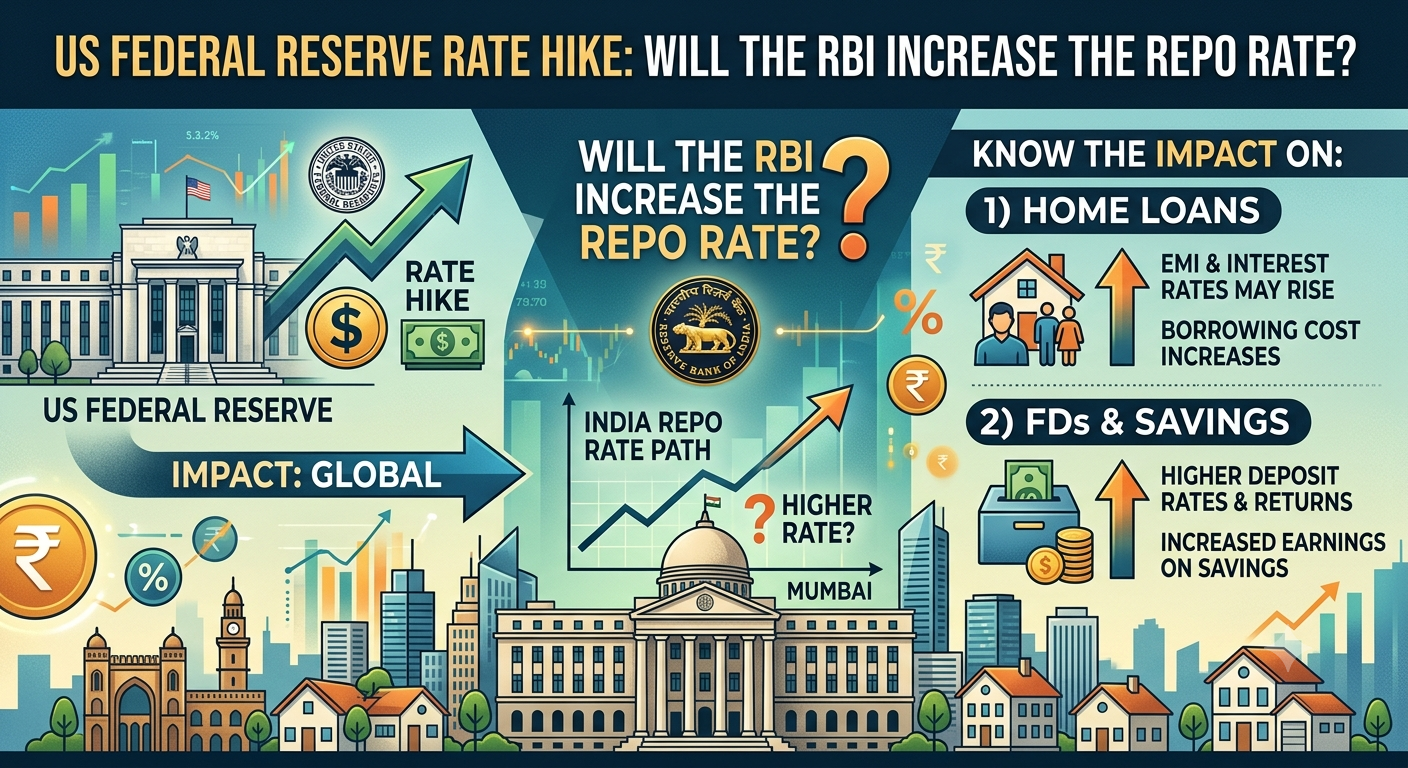
Higher interest rates in the U.S. have made American assets, especially bonds, more appealing. This often leads investors to move money away from emerging markets such as India.
3. Profit Booking After Market Gains
Indian stock markets have performed strongly in recent months. Some foreign investors may be cashing out profits after the rally.
4. Expensive Stock Valuations
Compared to some other emerging markets, Indian stocks are considered relatively expensive. This could encourage investors to move funds to markets offering better value.
5. Pressure from a Weak Rupee
A falling rupee can impact foreign investors’ returns when they convert earnings into their own currency, reducing the attractiveness of Indian investments.
6. Shift in Global Investment Strategy
Investors are reshuffling their portfolios and directing money toward regions or sectors that may offer stronger short-term growth opportunities.
7. Reduced Exposure to Emerging Markets
Due to market uncertainty, many foreign investors are adopting a more cautious stance and reducing investment in riskier markets, including India.
Key Factors Behind the Foreign Investor Selloff
1. Global Investors Are Focusing More on AI and Tech Stocks
One major reason behind the foreign investor selloff is the growing global interest in artificial intelligence (AI) and technology companies, especially in countries like the U.S., Taiwan, and South Korea.
Many global investors are putting more money into big tech firms linked to AI, semiconductors, cloud computing, and digital infrastructure. Since investment funds have limited money to invest, higher spending on AI-focused markets often means less investment in emerging markets like India.
2. Geopolitical Tensions Increased Investor Concerns
Rising tensions in West Asia (Middle East), particularly involving Iran and the U.S., have made investors more cautious. Concerns over possible disruptions in oil supply have also raised fears of higher crude oil prices.
India depends heavily on oil imports, and rising oil prices can increase inflation, widen the trade gap, and affect the economy. During uncertain times, foreign investors often move money to safer options such as U.S. bonds or gold.
3. Weak Rupee Affected Foreign Investor Returns
The weakening Indian rupee has also influenced foreign investor decisions.
Foreign investors consider both stock market returns and currency movement. Even if Indian stocks perform well, a weaker rupee can lower profits when earnings are converted into U.S. dollars. Due to pressure on the rupee in June, several overseas funds reduced investments in Indian markets.
4. Higher U.S. Bond Returns Attracted Investors
Rising U.S. bond yields have made developed markets more attractive.
When U.S. government bonds offer better and safer returns, investors often prefer them over riskier markets like India. This has reduced foreign investment in Indian equities, as many global funds are taking a cautious approach due to economic uncertainty.
5. Indian Stocks Are Considered Expensive
Some market experts believe Indian stocks are currently priced higher compared to other emerging markets.
After strong gains in recent years, many foreign investors may be booking profits and moving money to markets that seem cheaper or have better short-term growth potential. Concerns about slower earnings growth in some sectors have also added to the selling pressure.
How Much Money Have Foreign Investors Withdrawn in 2026?
The heavy selling seen in June is not a one-time event but part of a broader trend in 2026. Since the start of the year, Foreign Portfolio Investors (FPIs) have largely remained sellers in Indian stock markets, with only limited periods of buying activity.
| Month | FPI Investment Trend |
| January | Strong selling by foreign investors |
| February | Moderate buying activity |
| March | Significant selling pressure |
| April | Continued withdrawal of funds |
| May | Persistent selling trend |
| June (Till Now) | ₹60,270 crore withdrawn from Indian equities |
Will Foreign Investors Return to Indian Markets?
Many market experts believe foreign investors may return to Indian equities if global and domestic conditions improve. Although foreign funds have been leaving the market in recent months, India still remains an attractive investment destination for long-term investors. Here are some factors that could bring foreign inflows back:
- Easing Global Geopolitical Tensions
If global conflicts and geopolitical uncertainties reduce, investor confidence may improve. A more stable global environment generally encourages foreign investors to invest in emerging markets like India. - Stable Crude Oil Prices
India depends heavily on imported crude oil. If oil prices remain stable or decline, it can reduce inflation pressure, improve the trade balance, and support economic growth, making India more appealing to overseas investors. - A Stronger Indian Rupee
Currency stability plays an important role in foreign investments. If the rupee strengthens or remains stable, foreign investors may feel more confident as it improves returns when converted into foreign currency. - Better Corporate Earnings
Strong quarterly earnings by Indian companies can boost market confidence. If businesses report healthy profits and growth, foreign investors may increase investments in Indian stocks. - Renewed Interest in Emerging Markets
Global investors often shift funds based on growth opportunities. If emerging markets regain popularity and risk appetite improves, India could once again attract strong foreign investment.
Conclusion
The ₹60,270 crore foreign investor selloff in June was driven by factors such as rising interest in AI investments, global tensions, a weak rupee, higher U.S. bond yields, and expensive stock valuations in India. While this may create short-term market pressure, domestic investors have helped keep markets stable. Experts suggest retail investors stay focused on long-term goals, as India’s strong growth outlook remains unchanged despite temporary foreign outflows.