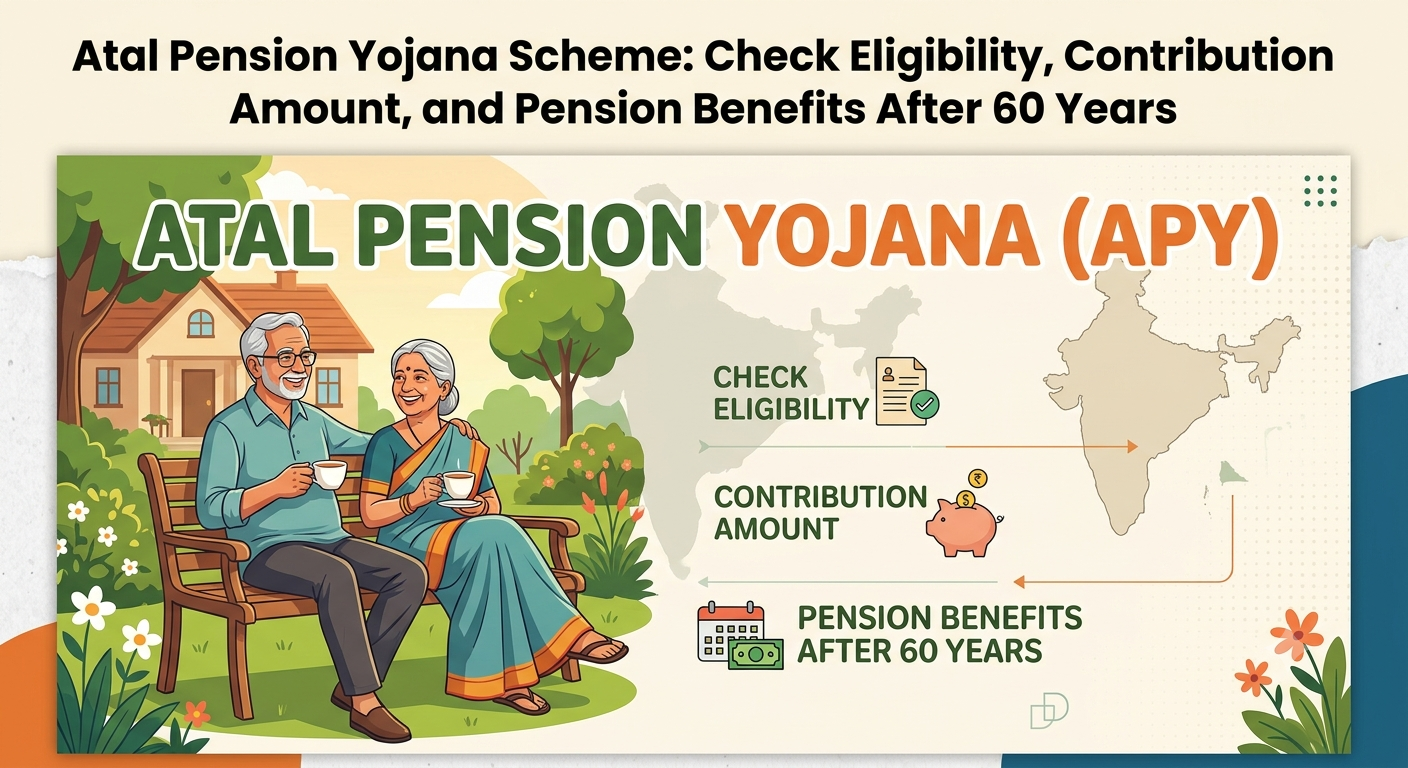




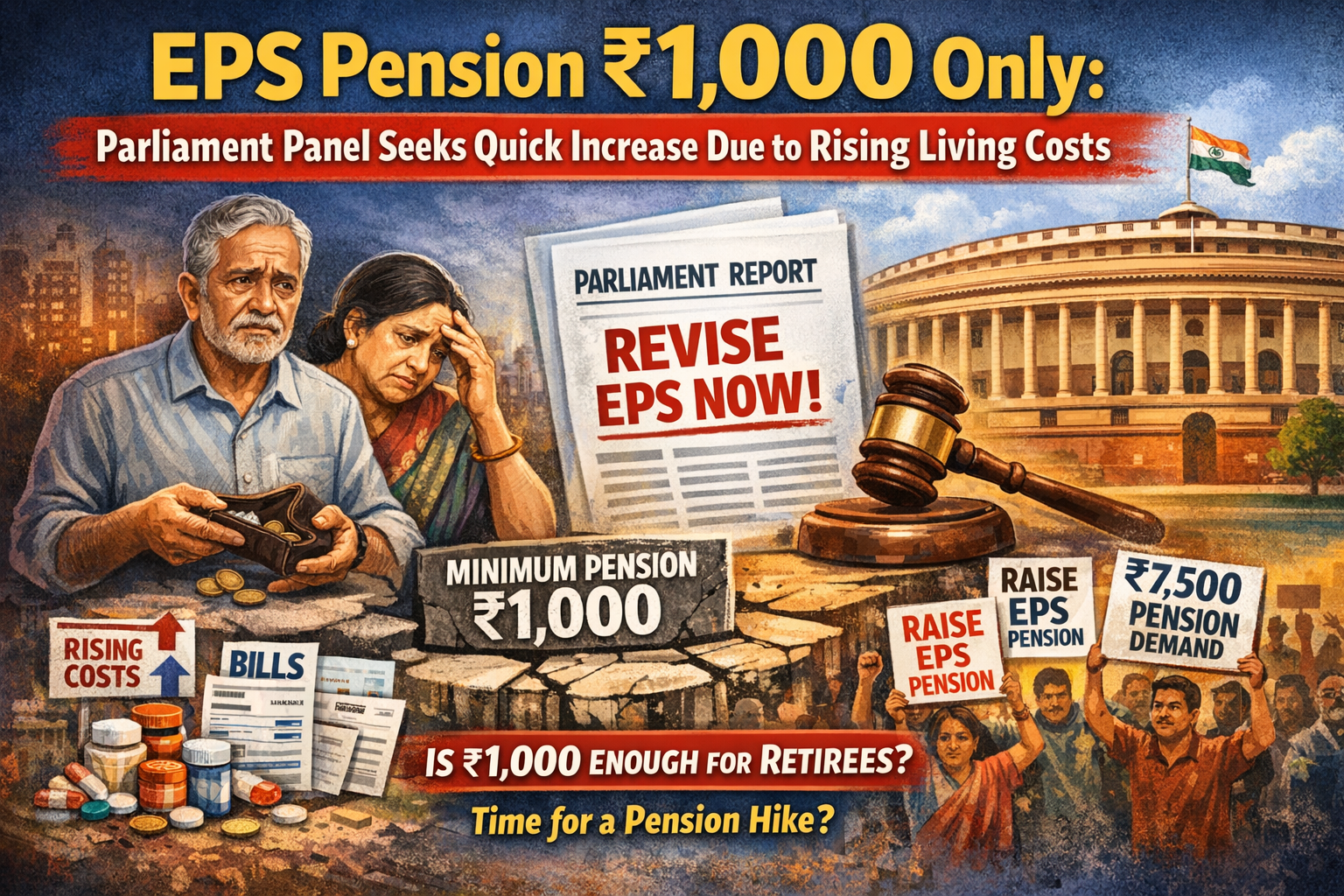
India’s retirement support system for private-sector workers is once again in focus. The minimum monthly pension under the Employees’ Pension Scheme (EPS-1995), currently set at just ₹1,000, is increasingly being challenged as insufficient in the face of rising living costs.
A Parliamentary panel has called for an immediate and detailed review of the ₹1,000 minimum monthly pension under the Employees’ Pension Scheme (EPS-95). It stated that the amount is no longer adequate to cover the basic needs of beneficiaries in the face of rising living expenses, according to PTI.
What is EPS?
EPS (Employees’ Pension Scheme) is a government-supported retirement plan in India that offers a regular monthly income to employees in the organised private sector after they retire.
- It was introduced in 1995 and is administered by the Employees’ Provident Fund Organisation (EPFO).
- It forms a part of the broader EPF (Employees’ Provident Fund) framework.
- A share of the employer’s EPF contribution is directed towards EPS.
- Employees become eligible to receive a pension after completing at least 10 years of service.
- The pension is paid every month after retirement, generally from the age of 58.
- At present, the minimum pension amount is ₹1,000 per month.
Overall, EPS is designed to ensure basic financial support for employees after retirement, particularly those in the private sector.
Will EPS Pension Increase as Demand for ₹7,500 Monthly Pension Grows?
The recommendation gains importance as pensioners have been consistently demanding that the minimum pension be increased to ₹7,500 per month. Beneficiaries of the Employees’ Pension Scheme (EPS-95), managed by EPFO, even held a three-day protest at Jantar Mantar starting March 9 to push for this demand.
In its 15th report on ‘Demands for Grants (2026–27)’ of the Ministry of Labour and Employment, the Parliamentary Standing Committee on Labour, Textiles and Skill Development pointed out that the minimum pension has not been revised for a long time. It noted this is despite rising inflation and healthcare costs.
The panel also mentioned that it has received several requests from pensioners calling for a pension hike. Especially considering the financial difficulties faced by elderly and economically weaker sections, these requests are increasing.
Additionally, the Committee noted the Ministry’s response that the government continues to support the scheme financially. This support includes a 1.16% contribution for current EPFO members and budgetary assistance to maintain the ₹1,000 minimum pension.
However, it stated that the current pension amount is insufficient to cover even basic needs in today’s economic conditions. The committee therefore urged the Ministry to carry out an immediate review to raise the payout to a more practical and respectable level.
The panel also recommended examining the option of higher budgetary support to ensure a fair minimum pension aligned with current living costs. As a result, this would improve social security and financial stability for millions of retired workers.
Why ₹1,000 Pension Is a big Challenge for the Pensioners?
The minimum pension of ₹1,000 under the Employees’ Pension Scheme (EPS-95) is facing strong criticism, with a Parliamentary Standing Committee expressing serious concerns about whether it is enough.
- Not enough for basic needs: The Committee pointed out that ₹1,000 per month is too low to cover even essential expenses. Many pensioners struggle to manage costs like food, electricity, and daily necessities with this amount.
- Rising cost of living: Inflation has pushed up prices of essentials over time. Expenses on healthcare, medicines, and housing have increased sharply, making it harder for retirees to survive on such a small pension.
- No increase over the years: Even as the economy and living standards have changed, the minimum pension has not been revised for a long time. This has reduced its actual value and usefulness.
Overall, the Committee stressed that the current pension system does not match today’s economic conditions. It needs urgent revision to ensure a more secure and dignified life for retirees.
Government’s Current Stand on EPS Pension Hike and ₹1,000 Minimum Pension
Despite increasing demands and continued discussions, the government has not yet cleared any proposal to raise the minimum pension under the Employees’ Pension Scheme (EPS-95). At present, the monthly pension remains unchanged at ₹1,000.
- No final decision yet: Although concerns have been raised by Parliamentary committees and pensioners, there has been no official announcement or policy update on increasing the pension.
- Linked to budget support: Any hike in the minimum pension will require higher government funding, which depends on allocations made in the Union Budget.
- EPFO’s financial stability: The ability to increase pension payouts also depends on the financial strength of EPFO, which runs the scheme. Any revision must ensure long-term sustainability of the fund.
- Decision rests with Labour Ministry: The final call on revising the pension will be taken by the Ministry of Labour and Employment, considering recommendations, financial feasibility, and overall policy priorities.
What This Means for You
If you are an EPF contributor or planning for retirement, the current discussion around EPS makes one thing clear—this pension alone may not be sufficient for a comfortable post-retirement life.
- Avoid relying only on EPS: The Employees’ Pension Scheme provides a fixed and limited monthly income. With the minimum pension at ₹1,000, it is designed to offer basic support rather than complete financial security. Depending solely on EPS may leave your retirement needs unmet.
- Build multiple income streams: For a safer retirement, it is important to create additional sources of income. Options such as the National Pension System (NPS), Public Provident Fund (PPF), and mutual funds can help you grow your savings and improve returns over time.
- Prepare for increasing costs: Expenses like healthcare, daily living, and lifestyle needs are likely to rise over the years. Diversifying your investments can help you manage these growing costs effectively.
- Focus on long-term security: EPS should be treated as a supplementary income source rather than your main retirement plan. A balanced strategy that includes savings, investments, and pension schemes can provide better financial stability and peace of mind in the long run.
Final Thoughts
The discussion around the ₹1,000 EPS pension brings attention to a bigger concern—India’s increasing retirement challenges. While the Parliamentary panel has made it clear that the current pension is insufficient, the final decision lies with the government.
For now, retirees are still waiting for relief, hoping for a pension amount that can genuinely support a dignified life amid rising living expenses.