



The Indian stock market has recently gone through significant volatility, causing concern among many retail investors as their portfolios decline and market conditions remain uncertain. Factors such as rising geopolitical tensions worldwide, instability in energy prices, and changing investor sentiment have all played a role in creating this market turbulence and raising fears of a potential stock market crash.
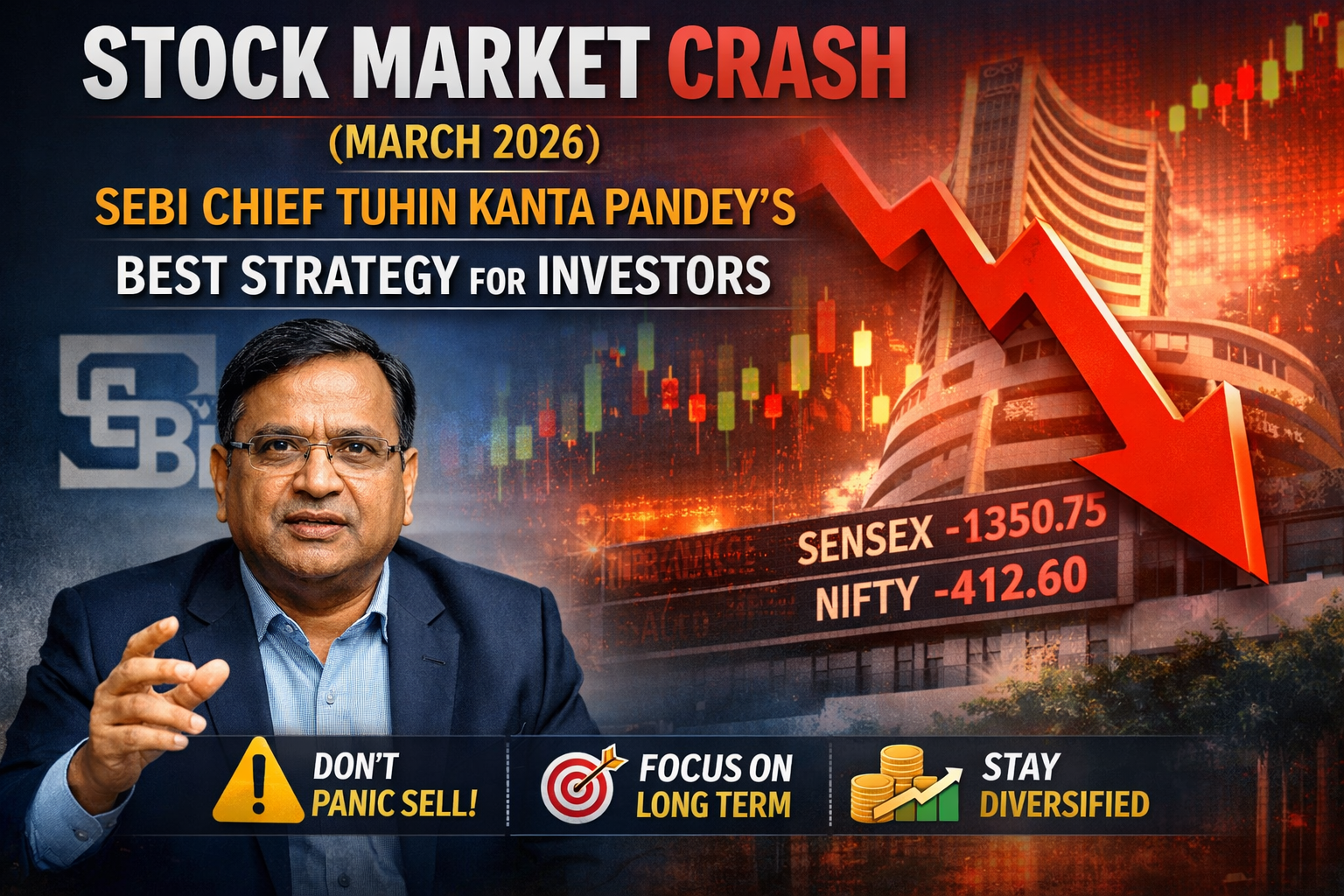
Securities and Exchange Board of India (SEBI) Chairman Tuhin Kanta Pandey said India’s capital markets are becoming deeper and more resilient despite global uncertainties. Speaking at a recent event, he advised retail investors not to react emotionally to short-term market fluctuations. Instead, investors should focus on long-term investment strategies and remain patient during volatile phases —an approach that reflects a disciplined strategy for investors during market uncertainty. His remarks come at a time when Indian equities have been under selling pressure due to rising geopolitical tensions linked to the conflict between the United States and Iran, which has increased volatility in global markets and sparked concerns about a possible stock market crash. He said that markets have recovered after major disruptions in the past and reminded investors that volatility is normal in the financial system, urging them to remain patient and avoid impulsive decisions during short-term market swings.
In this blog, we will try to examine the drivers of recent market volatility, highlight key advice from the Securities and Exchange Board of India (SEBI) chief, and discuss the key lessons investors can draw from it during periods of uncertainty or a potential stock market crash.
What strategies are suggested by SEBI Chairman Tuhin Kanta Pandey?
1. India’s Capital Markets Are Growing Stronger
According to Tuhin Kanta Pandey, India’s financial markets are expanding in size, participation, and resilience as the country’s financial ecosystem matures. Markets are becoming deeper, more diversified, and better equipped to handle shocks —an important foundation for any long-term strategy for investors.
2. Global Developments Now Influence Indian Markets
As markets grow and integrate with the global financial system, they also become more sensitive to international developments such as geopolitical conflicts, economic policy shifts, and global investment flows.
3. Efficient Markets Are Essential for Investor Confidence
Pandey stressed that well-functioning markets help maintain financial stability. They ensure transparent price discovery, absorb shocks effectively, and most importantly, build investor trust in the financial system.
4. Capital Markets Help Economies Handle Shocks
Strong and efficient capital markets act as a stabilising force. They help economies manage external disruptions without triggering widespread financial instability.
5. Global Uncertainty Is Driving Market Volatility
Pandey pointed out that geopolitical tensions, disruptions in energy supplies, and rapid technological changes are currently influencing global markets. For example, conflicts in the Middle East have affected energy supply chains, increasing uncertainty in financial markets.
6. Market Volatility Is a Natural Part of the System
He noted that in today’s interconnected world, where information spreads instantly, market volatility has become a normal part of the financial system. However, such periods of extreme fluctuations usually do not last forever.
7. Technology Is Transforming Market Operations
New technologies such as algorithmic trading, artificial intelligence, and advanced data analytics are speeding up market activity and changing how trading and investments take place.
8. Rapid Information Flow Can Amplify Market Reactions
Pandey cautioned that the rapid spread of news and opinions can influence investor behaviour and trigger faster market reactions, making stability an important challenge for regulators and market participants.
9. Stronger Financial Markets Are Needed for India’s Next Growth Phase
Looking ahead, he said India’s economic development will require deeper bond markets, stronger participation from institutional investors, and continued technological innovation.
10. Regulatory Reforms to Protect Investors
To improve transparency and protect investors, the Securities and Exchange Board of India (SEBI) has introduced initiatives such as the Past Risk and Return Verification Agency (PaRRVA), a technology-driven system that monitors performance reporting through digital audit trails.
What are the Reasons for the Stock Market Crash in March 2026?
1. Surging Geopolitical Tensions in the Middle East
One of the main reasons behind the market decline was the growing conflict between the United States and Iran. The escalating tensions in West Asia created uncertainty in global financial markets, prompting investors to reduce risk and sell equities. The conflict also disrupted shipping routes and energy supplies, affecting global trade and economic stability.
2. Surge in Crude Oil Prices
During the crisis, crude oil prices rose sharply, with Brent crude crossing $100–$115 per barrel. This is particularly challenging for India, which depends heavily on imported oil. Higher oil prices can increase inflation, widen the current account deficit, and reduce corporate profitability, putting pressure on sectors like aviation, logistics, and manufacturing.
3. Heavy Selling by Foreign Investors
Foreign Institutional Investors (FIIs) have been aggressively selling Indian equities amid global uncertainty. Large capital outflows reduce liquidity in the market and often lead to sharp declines in major indices such as the BSE Sensex and Nifty 50. During geopolitical crises, global investors usually shift their funds to safer assets like US government bonds.
4. Weakening of the Indian Rupee
The Indian Rupee weakened significantly against the US dollar during the market turbulence. A weaker currency increases import costs and can discourage foreign investment, which adds further pressure on stock markets. Currency volatility also raises concerns about inflation and broader economic stability.
5. Global Risk-Off Sentiment
Global markets became more cautious due to geopolitical tensions, rising oil prices, and fears of inflation and slower economic growth. This risk-off environment pushed investors toward safer assets such as gold and government bonds instead of equities. As a result, stock markets worldwide—including India—experienced heightened volatility.
6. Profit Booking After Previous Market Gains
Another factor behind the decline was profit booking by investors after the strong rally seen in earlier months. During uncertain market conditions, investors often lock in profits, which can lead to temporary market corrections.
What Retail Investors Should Do During a Market Crash
Based on insights from the Securities and Exchange Board of India (SEBI) chief and general investing principles, retail investors can consider the following steps as a practical strategy for investor during market volatility:
1. Avoid Panic Selling
Selling investments during a market fall can lock in losses and prevent investors from benefiting when markets recover.
2. Focus on Long-Term Goals
Investors with a long-term perspective usually benefit from market recovery cycles, as markets have historically bounced back after major crises.
3. Keep a Diversified Portfolio
Diversifying investments across different sectors and asset classes can help reduce risk during volatile market phases.
4. Continue Systematic Investments
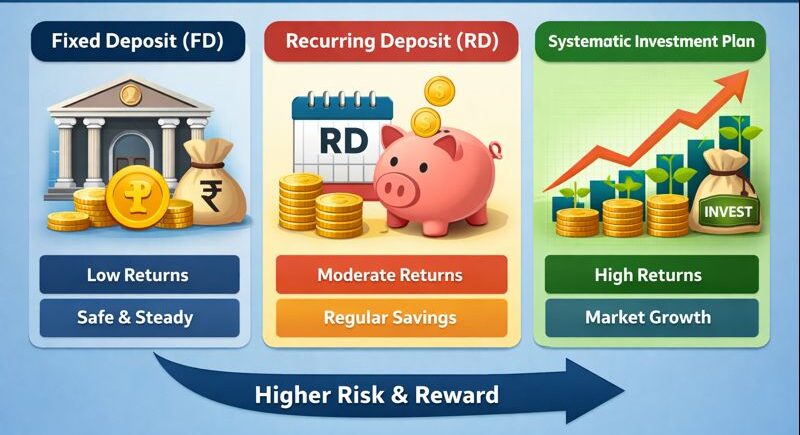
Investors who invest regularly through SIPs in mutual funds may benefit by continuing their investments, as it helps average the purchase cost over time.
Final Thoughts
Market crashes and sharp corrections can be unsettling, particularly for new investors, but history shows that volatility is usually a temporary phase in the long-term journey of financial markets. The key message from Tuhin Kanta Pandey of the Securities and Exchange Board of India (SEBI) is clear: patience is often the best strategy during uncertain times. Instead of reacting emotionally to short-term market movements, investors should remain disciplined, stay focused on their long-term financial goals, and trust the resilience of well-regulated markets.